Category: Equipment

  • Equipment Review: The Standard Glass of Water, Version 4

    Equipment Review: The Standard Glass of Water, Version 4

    The Standard Glass of Water has been the Laboratory’s workhorse since our founding. Version 4 improves on its predecessor in three important ways, and regresses in one.

    Improvements

    • The base has been narrowed by two millimetres, which makes it more eager to leave.
    • The walls are thinner, producing a higher pitched and more satisfying sound on impact.
    • The water now sits at an optimal level, high enough to cause a splash and low enough that nobody is angry about the amount.

    Regression

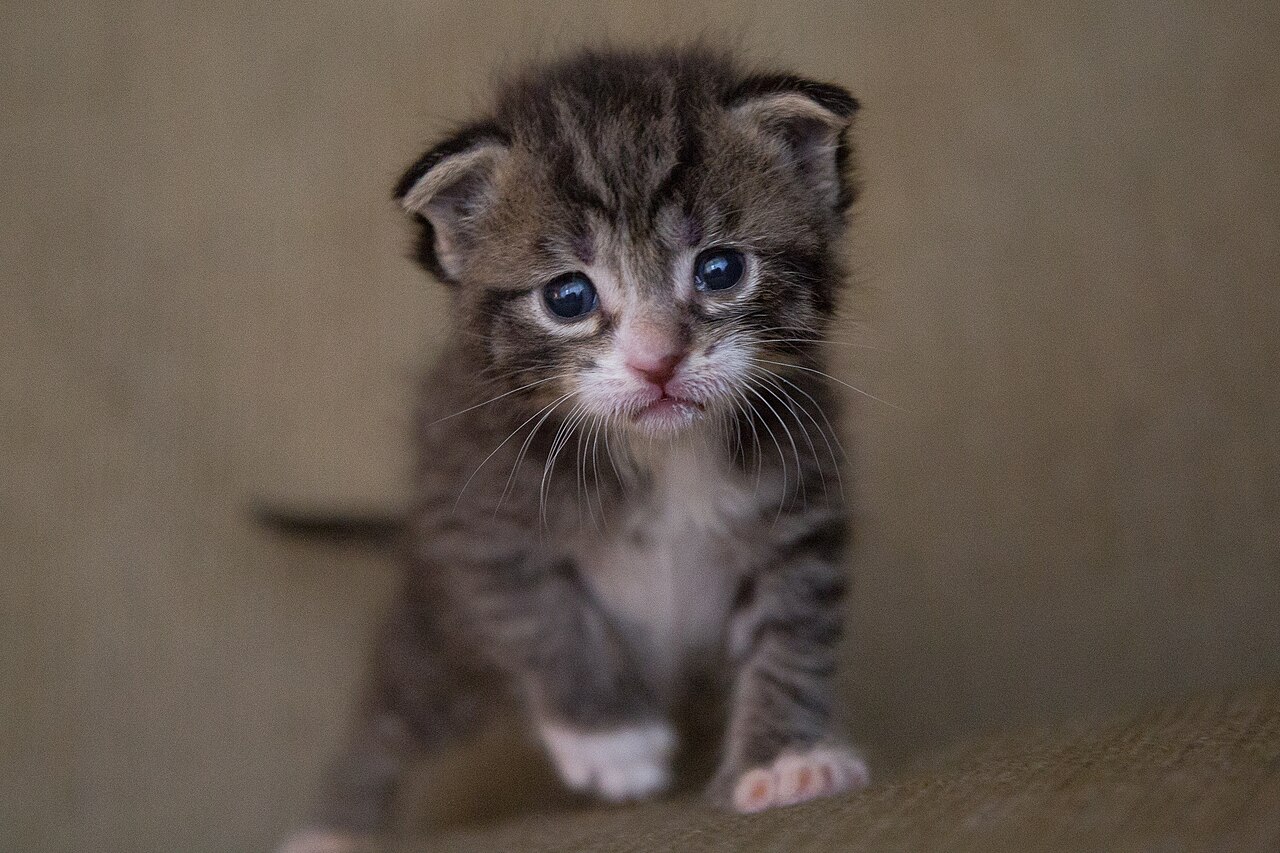
    The new glass is slightly heavier, and one of our smaller associates, a kitten named Parsley, cannot push it alone. We have addressed this by teaching Parsley to enlist a friend.

    Verdict

    Four out of five paws. We would give five, but the glass costs more than the cat, and the cat knows it.

    Technical specifications

    • Capacity: 250 millilitres of water, or 190 millilitres of water plus 60 millilitres of regret.
    • Height: 11 centimetres, a figure chosen for its appeal to the paw.
    • Weight when full: 410 grams, which is enough to be satisfying and not enough to hurt.
    • Colour: transparent, so that the water can be observed leaving.

    User testimonials

    “I have pushed twelve of these and not a single one has failed me.” Dumpling, Senior Associate.

    “Version 3 was a little stubborn. Version 4 is a dream.” Pickle, Junior Associate.

    “I do not push glasses. I merely stand near them.” Gerald, Head of Safety, who was seen pushing a glass.

    Care and maintenance

    Store the Standard Glass of Water on a high shelf, in the dark, away from cats. Then give up and store it wherever the cat has already decided it should be. Wash gently, dry carefully, and expect the unexpected, since the glass has a long and complicated history with the floor.

    Where to buy

    The Standard Glass is available from the Laboratory shop, which is a box by the door. Please leave a note and a coin. The note will be pushed.
  • How To Calibrate a Cat in Seven Easy Steps

    How To Calibrate a Cat in Seven Easy Steps

    Every measurement begins with calibration. A thermometer is checked against ice water, and a clock is checked against another clock. A cat, we are sorry to report, is checked against a snack.

    Step one: establish a baseline

    Place the cat in a neutral room with no furniture and no windows. Observe for ten minutes. Note the moment the cat finds the single speck of dust in the room and stares at it. This is your zero.

    Step two: introduce a reference object

    Use a standard reference pen. Our Laboratory uses a blue ballpoint, 14 centimetres long, with a chewed end. Place it on the floor in front of the cat and note whether it is ignored, batted, or carried away.

    Step three: check the whiskers

    Whisker span should be recorded in millimetres. If the cat objects, record the objection and the time.

    Step four to six: repeat

    Repeat steps one to three at morning, noon and the hour after dinner, because a cat calibrated on a full stomach is a different instrument from one calibrated on an empty one.

    Step seven: accept the result

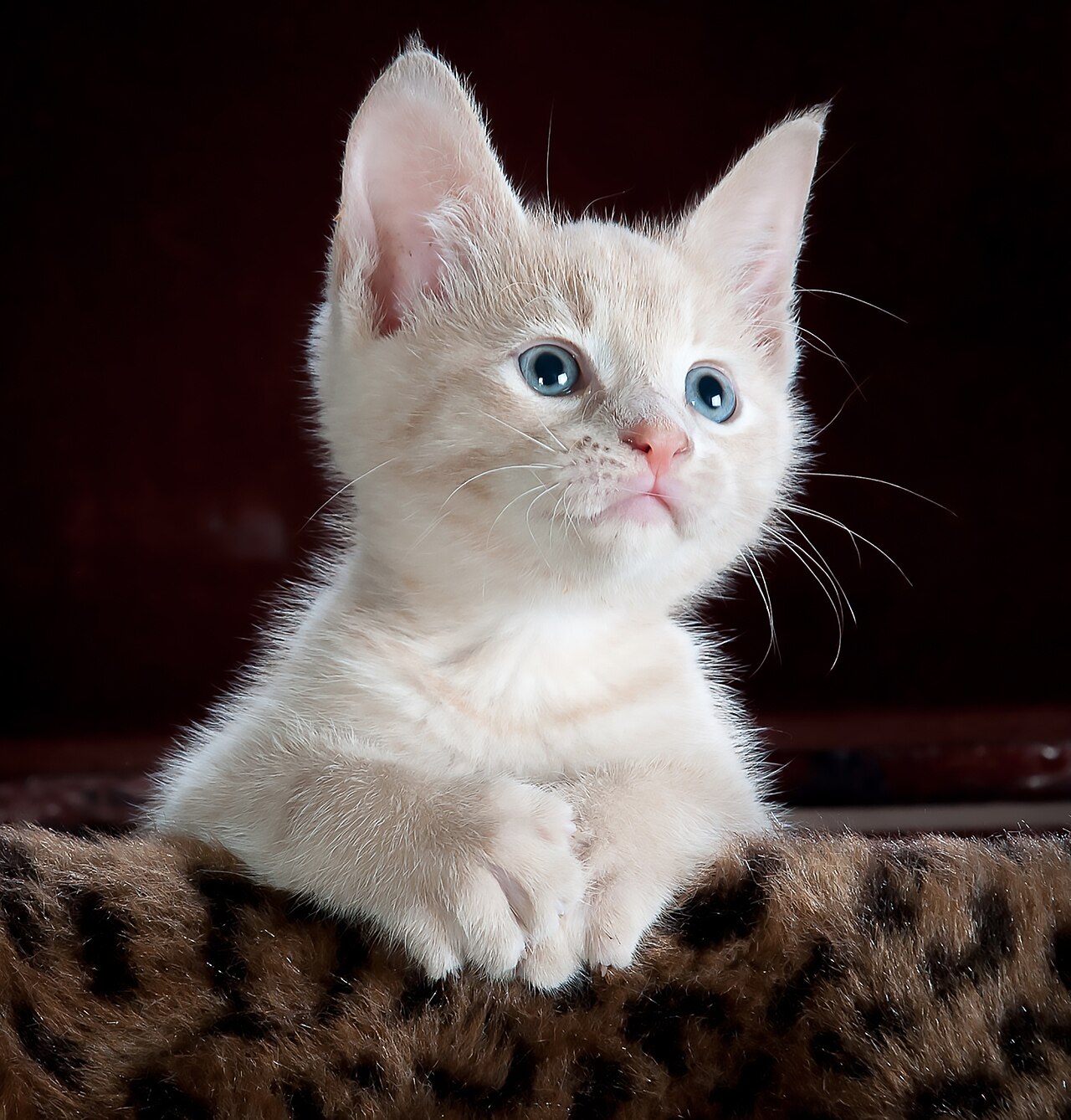
    Your cat is now calibrated, in the sense that you know what she will do. She will do it when she decides to. Calibration remains valid until the cat sees a bird.

    Common calibration errors

    Many first time calibrators make the mistake of starting with a toy. A toy is a distraction, and a distracted cat is a variable. Remove all toys, string, tape, boxes, paper bags and anything that could be called a box by someone with imagination. If you are unsure, ask yourself whether the cat would sit in it. If so, it is a box.

    Another frequent error is calibrating in the presence of a window. The window contains birds, leaves, rain and the occasional wandering neighbour, all of which will ruin the reading. Calibrate in a windowless room, and if you do not have one, draw the curtains and hold your breath.

    Equipment you will need

    • One cat, preferably fed.
    • One reference pen, blue, slightly chewed.
    • One notebook, with a pen that is not the reference pen.
    • One sturdy table.
    • One lot of patience, which cannot be purchased and must be supplied by you.

    Interpreting your results

    If the cat pushes the pen immediately, your cat is a Type A subject, and is ready for field work. If the cat ignores the pen for four minutes and then pushes it while looking at you, she is Type B, a patient and theatrical subject, and we recommend caution around your good lamp.

    If the cat falls asleep on the pen, she is Type C. There is no known treatment for Type C. Type C cats are, however, excellent for morale, and several of our most senior associates fall into this group.

    A final word of reassurance

    Calibration is not about control. It is about understanding, and understanding is about letting go of the idea that you are in charge. Once you accept this, you may proceed to the drop test with a clear heart and a mop within reach.

    Troubleshooting

    If your cat refuses to sit on the scale, weigh yourself holding the cat and subtract. If your cat refuses to be held, weigh yourself holding a bag of flour of similar mood. If your cat has left the building, check the neighbour’s garden, and then check the top of the wardrobe, which is where cats go when they wish to be considered missing.

    Frequency of recalibration

    We recommend recalibrating once per season, and immediately after any of the following events: a house move, a new sofa, a visit from a relative, the introduction of a second cat, or the arrival of a parcel. Parcels in particular reset all known values to zero.

    Closing remarks

    Do not feel discouraged if the calibration fails. At the Laboratory, a failed calibration is simply a calibration that turned out to be about something else.