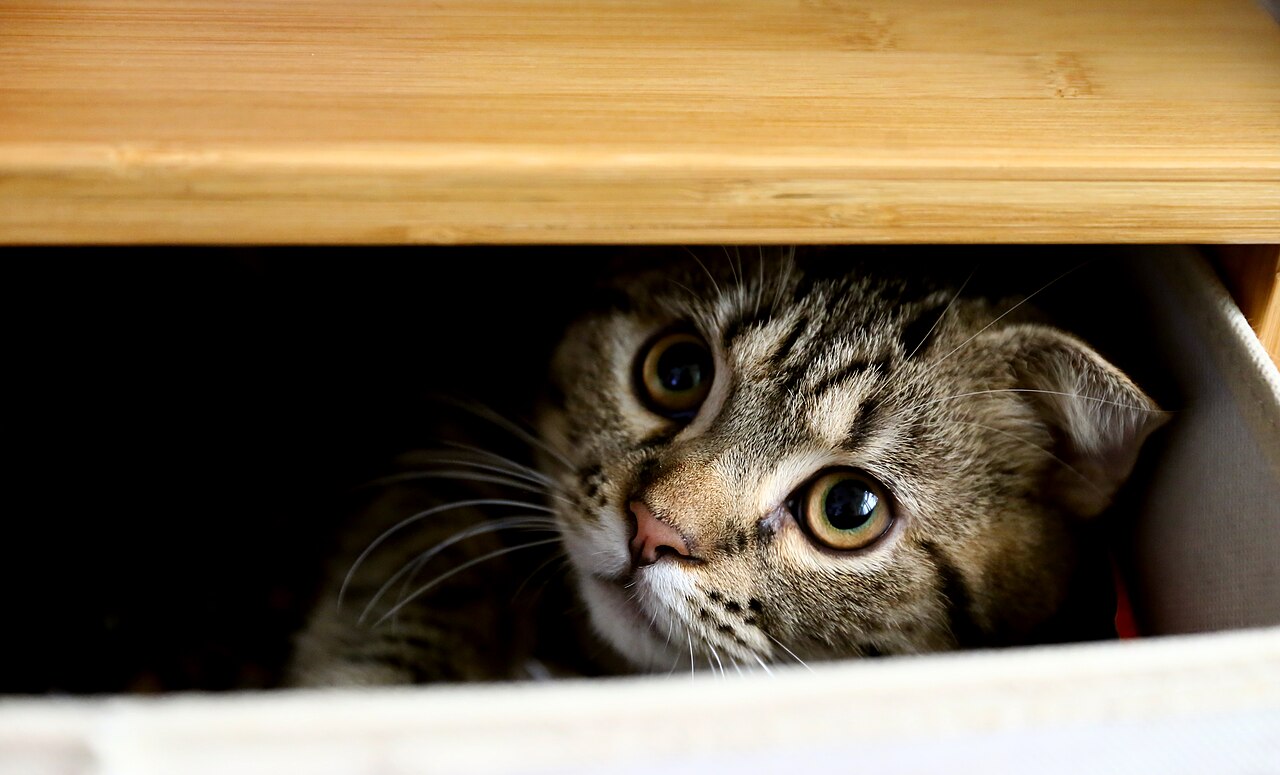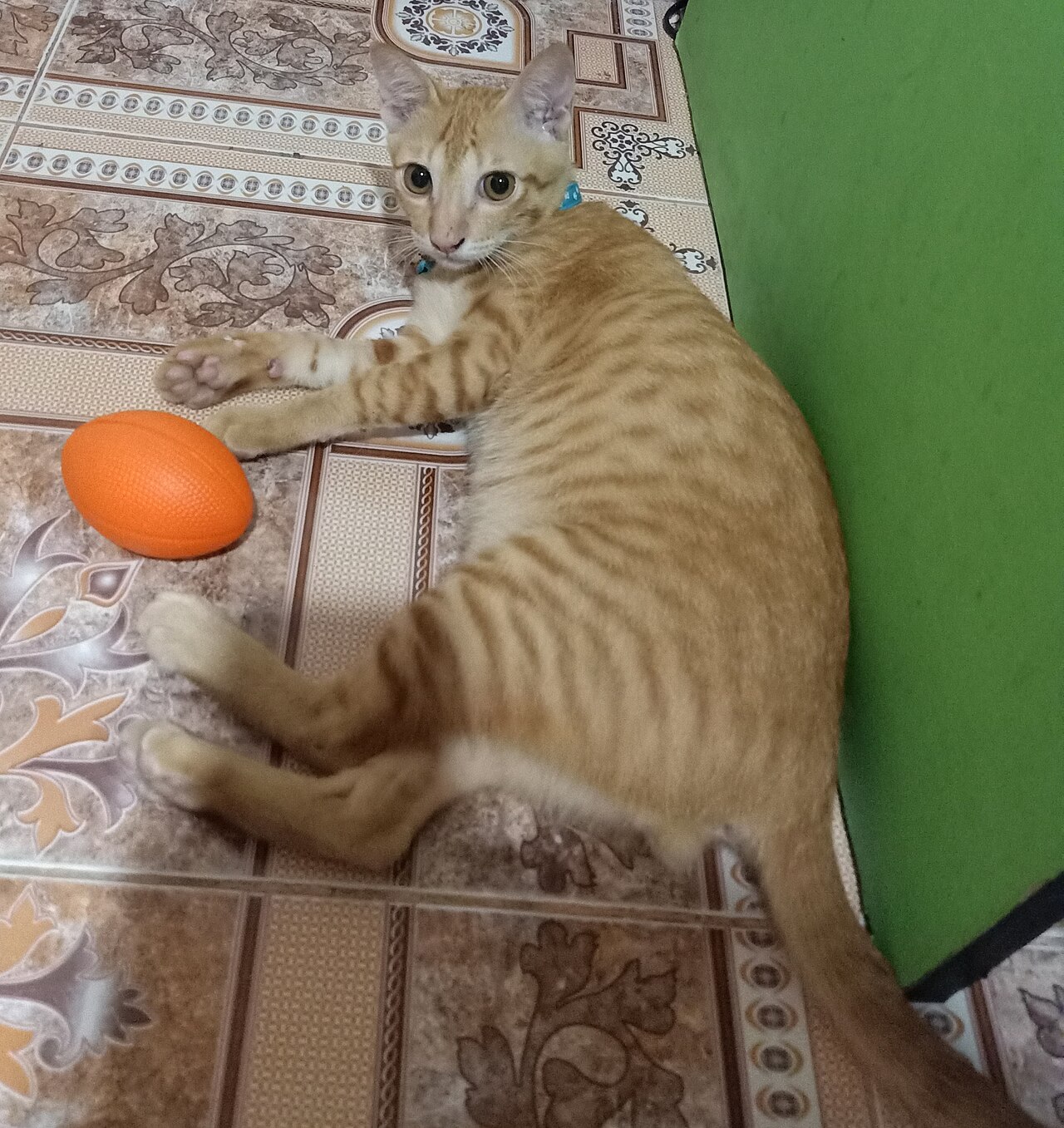
For years the Laboratory has focused on tables. We have been told by the board that this is narrow. So in March, a field team of three cats set out to examine the bookshelf.
The setting
The shelf stood two metres tall and held 140 books, a clock, a ceramic frog and a candle that nobody had lit since 2019. It was, in short, a tempting environment.
Observations
The first book fell at 11:02 AM. It landed spine down, which we consider a good omen. The second book landed flat and made a noise that the whole building heard. A third book was dropped with such force that it opened and displayed a page about gardening.
Conclusion
Bookshelves are superior to tables for the study of books. We have asked the board to approve a bigger shelf and, separately, a smaller board.
Equipment carried
Each member of the field team carried a notebook, a stopwatch, a ruler, and a bag of treats that was empty by 9:30 AM. The notebook was also pushed. We recovered it the following day with a large paw print on the cover.
Hazards
The shelf was reached by a series of ascending surfaces: a chair, a side table, a printer, and the top of a refrigerator. The printer was not designed to bear a cat, and said so, loudly, in a series of beeps. The team ignored it, as is the Laboratory’s tradition with machines.
Recommendations for future shelf work
The team recommends the use of a soft landing zone, such as a pile of laundry, to protect fragile specimens. The team also recommends that the ceramic frog be treated with respect, since it fell last and survived.
Summary of data
The field team recorded 31 drops, of which 28 were confirmed falls and three were attempts that ended in a sulk. Average fall time was 0.64 seconds, a figure that the team considers a personal best for the building. One paperback, a large book about the history of rope, was dropped four times and was deemed to have enjoyed it.