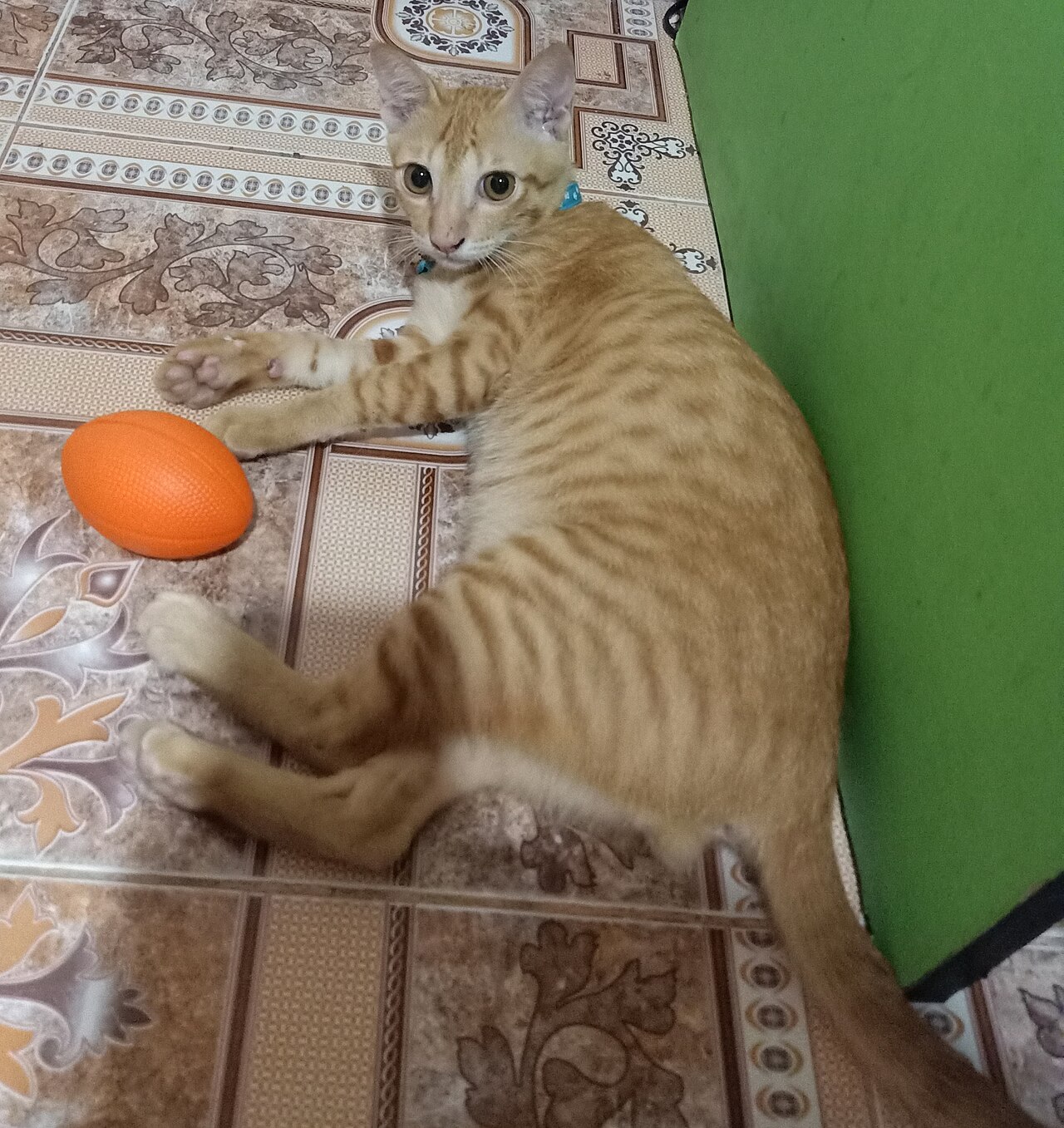
Tag: whiskers

  • Field Study: Bookshelves, an Unexplored Frontier

    Field Study: Bookshelves, an Unexplored Frontier

    For years the Laboratory has focused on tables. We have been told by the board that this is narrow. So in March, a field team of three cats set out to examine the bookshelf.

    The setting

    The shelf stood two metres tall and held 140 books, a clock, a ceramic frog and a candle that nobody had lit since 2019. It was, in short, a tempting environment.

    Observations

    The first book fell at 11:02 AM. It landed spine down, which we consider a good omen. The second book landed flat and made a noise that the whole building heard. A third book was dropped with such force that it opened and displayed a page about gardening.

    Conclusion

    Bookshelves are superior to tables for the study of books. We have asked the board to approve a bigger shelf and, separately, a smaller board.

    Equipment carried

    Each member of the field team carried a notebook, a stopwatch, a ruler, and a bag of treats that was empty by 9:30 AM. The notebook was also pushed. We recovered it the following day with a large paw print on the cover.

    Hazards

    The shelf was reached by a series of ascending surfaces: a chair, a side table, a printer, and the top of a refrigerator. The printer was not designed to bear a cat, and said so, loudly, in a series of beeps. The team ignored it, as is the Laboratory’s tradition with machines.

    Recommendations for future shelf work

    The team recommends the use of a soft landing zone, such as a pile of laundry, to protect fragile specimens. The team also recommends that the ceramic frog be treated with respect, since it fell last and survived.

    Summary of data

    The field team recorded 31 drops, of which 28 were confirmed falls and three were attempts that ended in a sulk. Average fall time was 0.64 seconds, a figure that the team considers a personal best for the building. One paperback, a large book about the history of rope, was dropped four times and was deemed to have enjoyed it.
  • Gravity Is Not a Suggestion: A Lecture Transcript

    Gravity Is Not a Suggestion: A Lecture Transcript

    Good morning, everyone. Please settle down. No, you cannot sit on the projector. Today’s lecture concerns gravity, which is a force that pulls things downward, and which we have come to rely upon for most of our professional work.

    What gravity does

    Gravity is the reason a glass of water, once pushed, reaches the floor. It does not need to be told twice. It does not ask whether the glass was full. It is the most reliable colleague we have ever had.

    What gravity does not do

    Gravity does not apply to cats on the back of a sofa, or to a cat who has decided she is a loaf. In such cases we suspend the usual rules and observe from a polite distance.

    Questions

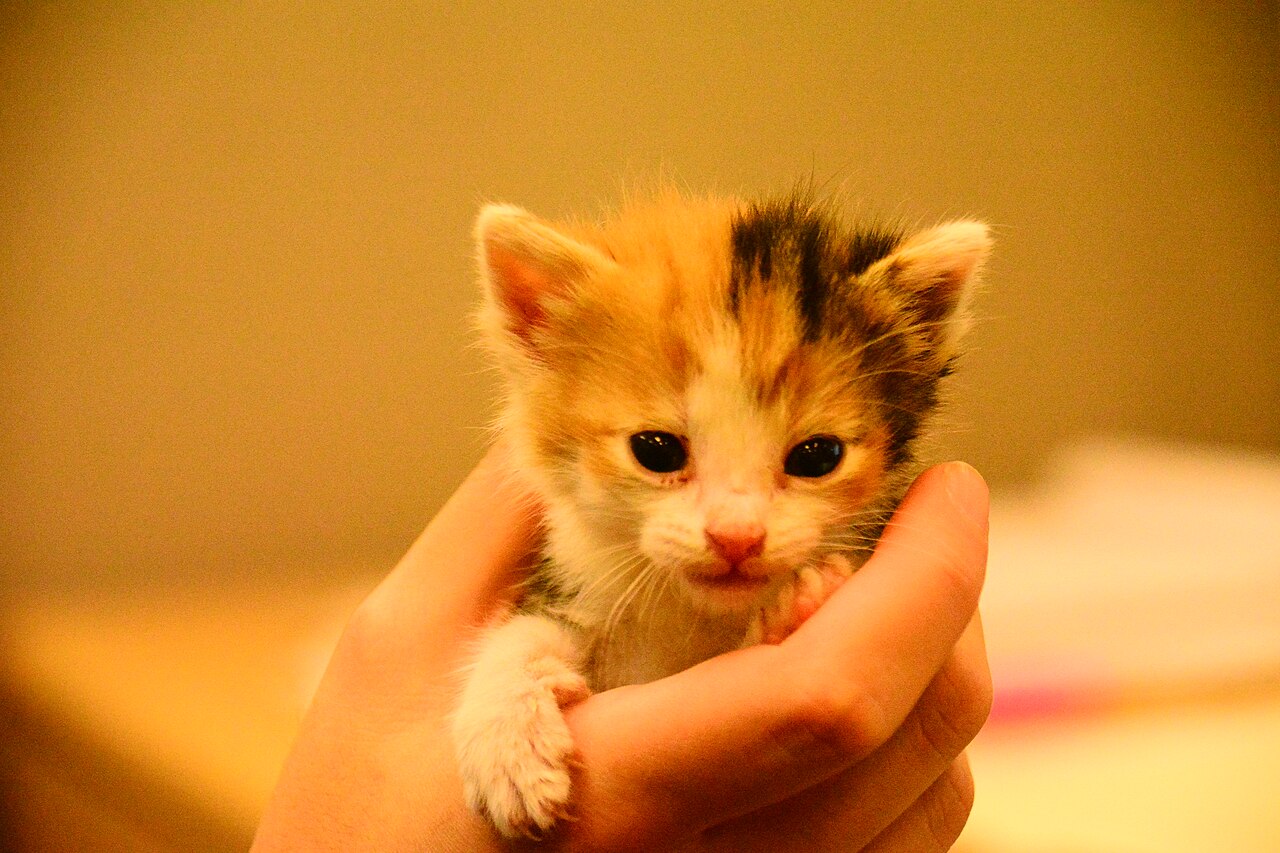
    A small kitten near the front asked whether a glass could ever fall upward. I said that it could not, but that I admired the optimism.

    Homework

    Please push something small off something high tonight and write down how you felt. Do not tell your humans it was homework. They will not understand.

    Appendix: selected questions from the floor

    A tabby near the back asked what happens if the object is lighter than air. I told her we have not yet found one, but we remain open to a very small balloon.

    A grey kitten asked why gravity does not simply stop when you ask it to. I said that the same applies to the dinner bell, and that this is a profound observation about reality.

    Someone then asked whether the lecture was nearly over. I said that it had been, for some time, and thanked the room for staying awake. Half of it had not.

    Further reading

    Students are encouraged to consult the Laboratory’s leaflet series, including “Down: A Short History,” “Why Things Roll,” and the forthcoming “Edges, Fears and Hopes.” All are printed on sturdy card and are available from the front desk or the floor beneath it.

  • How To Calibrate a Cat in Seven Easy Steps

    How To Calibrate a Cat in Seven Easy Steps

    Every measurement begins with calibration. A thermometer is checked against ice water, and a clock is checked against another clock. A cat, we are sorry to report, is checked against a snack.

    Step one: establish a baseline

    Place the cat in a neutral room with no furniture and no windows. Observe for ten minutes. Note the moment the cat finds the single speck of dust in the room and stares at it. This is your zero.

    Step two: introduce a reference object

    Use a standard reference pen. Our Laboratory uses a blue ballpoint, 14 centimetres long, with a chewed end. Place it on the floor in front of the cat and note whether it is ignored, batted, or carried away.

    Step three: check the whiskers

    Whisker span should be recorded in millimetres. If the cat objects, record the objection and the time.

    Step four to six: repeat

    Repeat steps one to three at morning, noon and the hour after dinner, because a cat calibrated on a full stomach is a different instrument from one calibrated on an empty one.

    Step seven: accept the result

    Your cat is now calibrated, in the sense that you know what she will do. She will do it when she decides to. Calibration remains valid until the cat sees a bird.

    Common calibration errors

    Many first time calibrators make the mistake of starting with a toy. A toy is a distraction, and a distracted cat is a variable. Remove all toys, string, tape, boxes, paper bags and anything that could be called a box by someone with imagination. If you are unsure, ask yourself whether the cat would sit in it. If so, it is a box.

    Another frequent error is calibrating in the presence of a window. The window contains birds, leaves, rain and the occasional wandering neighbour, all of which will ruin the reading. Calibrate in a windowless room, and if you do not have one, draw the curtains and hold your breath.

    Equipment you will need

    • One cat, preferably fed.
    • One reference pen, blue, slightly chewed.
    • One notebook, with a pen that is not the reference pen.
    • One sturdy table.
    • One lot of patience, which cannot be purchased and must be supplied by you.

    Interpreting your results

    If the cat pushes the pen immediately, your cat is a Type A subject, and is ready for field work. If the cat ignores the pen for four minutes and then pushes it while looking at you, she is Type B, a patient and theatrical subject, and we recommend caution around your good lamp.

    If the cat falls asleep on the pen, she is Type C. There is no known treatment for Type C. Type C cats are, however, excellent for morale, and several of our most senior associates fall into this group.

    A final word of reassurance

    Calibration is not about control. It is about understanding, and understanding is about letting go of the idea that you are in charge. Once you accept this, you may proceed to the drop test with a clear heart and a mop within reach.

    Troubleshooting

    If your cat refuses to sit on the scale, weigh yourself holding the cat and subtract. If your cat refuses to be held, weigh yourself holding a bag of flour of similar mood. If your cat has left the building, check the neighbour’s garden, and then check the top of the wardrobe, which is where cats go when they wish to be considered missing.

    Frequency of recalibration

    We recommend recalibrating once per season, and immediately after any of the following events: a house move, a new sofa, a visit from a relative, the introduction of a second cat, or the arrival of a parcel. Parcels in particular reset all known values to zero.

    Closing remarks

    Do not feel discouraged if the calibration fails. At the Laboratory, a failed calibration is simply a calibration that turned out to be about something else.